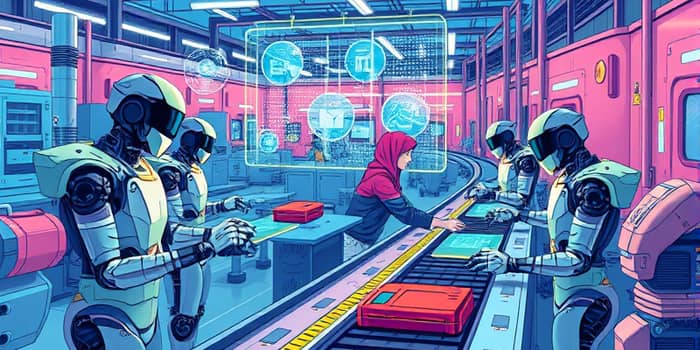
In a world undergoing rapid technological transformation, the integration of automation and robotics represents a pivotal shift in how businesses operate and innovate. Companies that embrace these advancements today will define the competitive landscape of tomorrow. From predictive maintenance to intelligent harvesters, robotic systems are no longer confined to science fiction—they are reshaping industries, empowering workers, and unlocking new levels of efficiency.
As organizations strive to remain agile amid economic uncertainty, strategic investment in automation transcends cost cutting. By prioritizing adaptability and resilience, businesses can harness cutting-edge technologies to seize emerging opportunities, elevate customer experiences, and foster a culture of continuous improvement.
The adoption of robotics is not a luxury but a strategic imperative driven by dramatic market growth and rapid innovation. By 2030, 80% of humans will engage with smart robots on a daily basis, up from less than 10% today. This surge highlights the urgency of preparing workforces and infrastructure to thrive in an automated era.
These benefits translate into measurable gains: higher output, lower defect rates, and accelerated product development cycles. Moreover, automation relieves human workers from dangerous and monotonous tasks, allowing them to focus on innovation, problem-solving, and creative initiatives.
Robotics and automation are not monolithic; they encompass a diverse array of breakthroughs that converge to redefine the future of work. For 2025 and beyond, the most transformative trends include:
These innovations are converging under the umbrella of Industry 4.0. From generative AI interfaces that let users command robots in natural language to IoT-connected sensors feeding real-time data back into digital twins, the future workplace will be a seamless blend of physical and virtual intelligence.
Automation’s impact extends well beyond traditional manufacturing floors. In logistics, Autonomous Mobile Robots (AMRs) streamline inventory handling, dynamically rerouting goods to optimize throughput. In construction, robotic bricklaying and autonomous earthmoving machines accelerate project timelines.
Healthcare is witnessing the rise of surgical robots performing precise, minimally invasive procedures, while laboratory automation speeds up drug discovery. Financial services leverage RPA to detect fraud and process transactions with unparalleled accuracy and speed.
By exploring these applications, organizations can uncover new revenue streams, optimize capital allocation, and foster a culture of innovation that spans every department.
Despite concerns about job displacement, automation often complements rather than replaces human talent. When robots handle dirty, dull, and dangerous tasks, employees are free to focus on higher-value responsibilities such as creative problem solving, strategic planning, and customer engagement. This shift elevates job satisfaction and stimulates continual learning.
Successful integration demands targeted upskilling programs. Companies can leverage low- and no-code RPA tools to enable “citizen developers” — non-technical staff empowered to design simple automations. By fostering a growth mindset and providing accessible training, organizations build a digitally proficient workforce ready for evolving roles.
To maximize return on investment, leaders must align automation initiatives with overarching business objectives. Prioritize projects that deliver rapid value and scalable frameworks. Begin with pilot programs to validate concepts, then expand through modular implementations that integrate seamlessly with existing systems.
By mapping technology adoption to clear business outcomes, organizations can track progress, iterate quickly, and scale successes enterprise-wide. This disciplined approach mitigates risk and ensures that investments translate into measurable growth.
The future of work promises a collaborative ecosystem where humans and machines coexist in harmony. As governance and security frameworks mature, highly regulated industries will confidently deploy robust digital workforce solutions. Early adopters of automation will gain a lasting competitive edge through strategic foresight, while employees enjoy safer, more engaging roles.
By embracing this transformation with a clear roadmap and inclusive mindset, organizations will not only survive but thrive. The journey toward an automated future is a collective endeavor—one that will redefine productivity, creativity, and human potential for generations to come.
References